
PORTFOLIO
PORTFOLIO
heChris.Marshall206@gmail.com
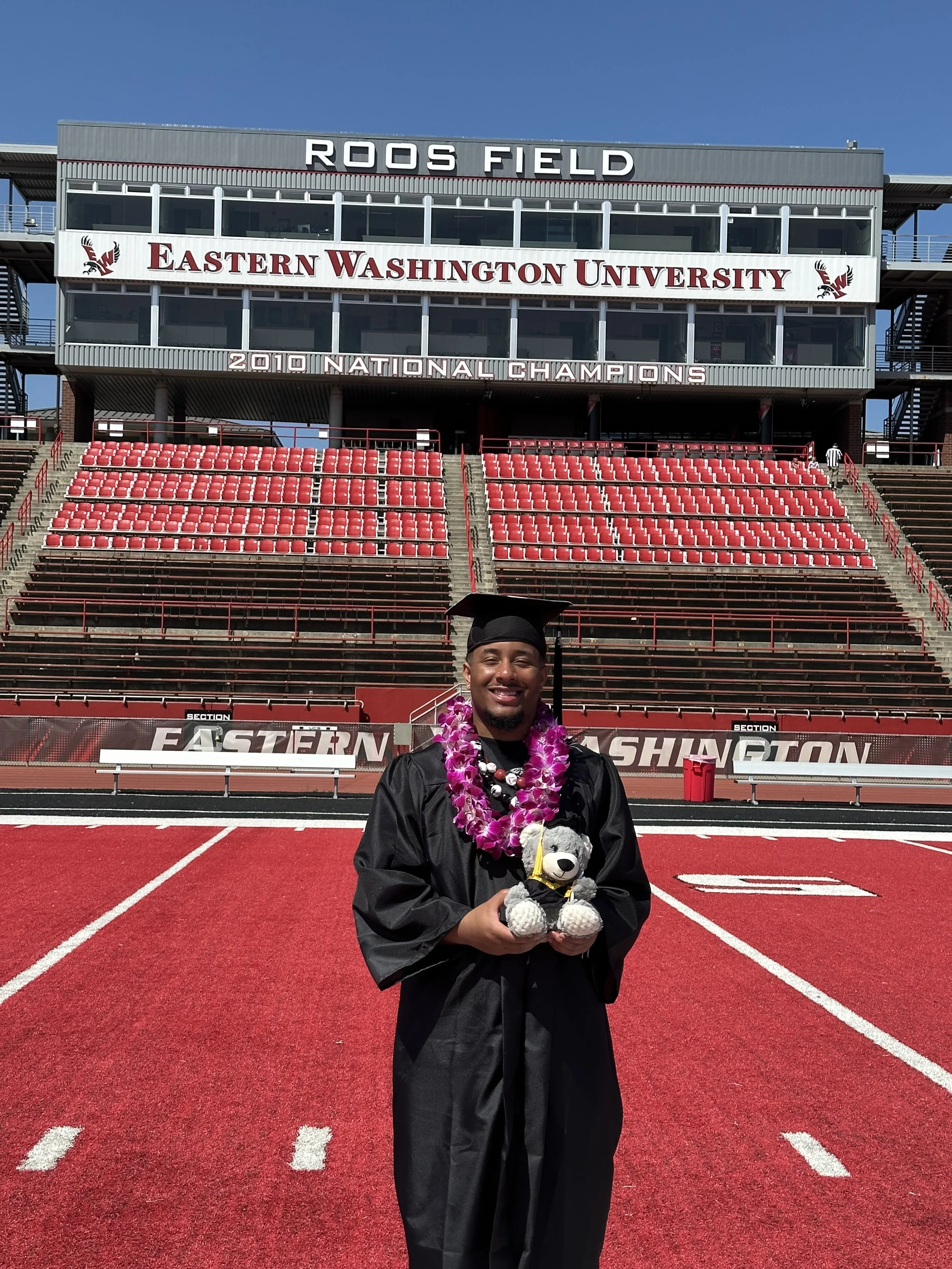
I’m Chris Marshall, a communication graduate and creative strategist focused on social media marketing, brand storytelling, and digital culture. My work sits at the intersection of communication, design, and audience engagement—where ideas turn into content, and content turns into connections.
Chris Rodney Marshall
Bachelor Arts Of Communication (Minor in Design)

DESN 305-040:
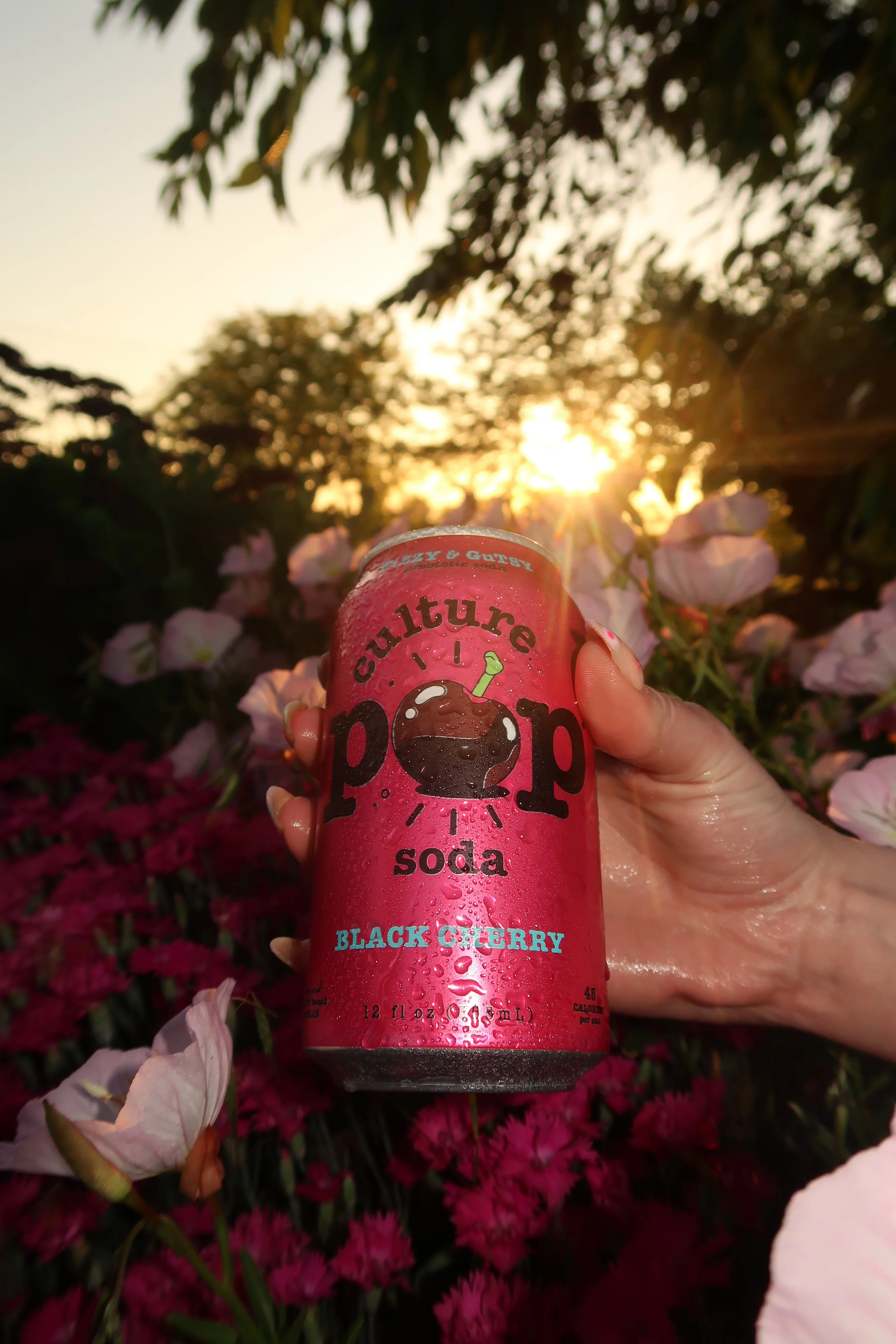
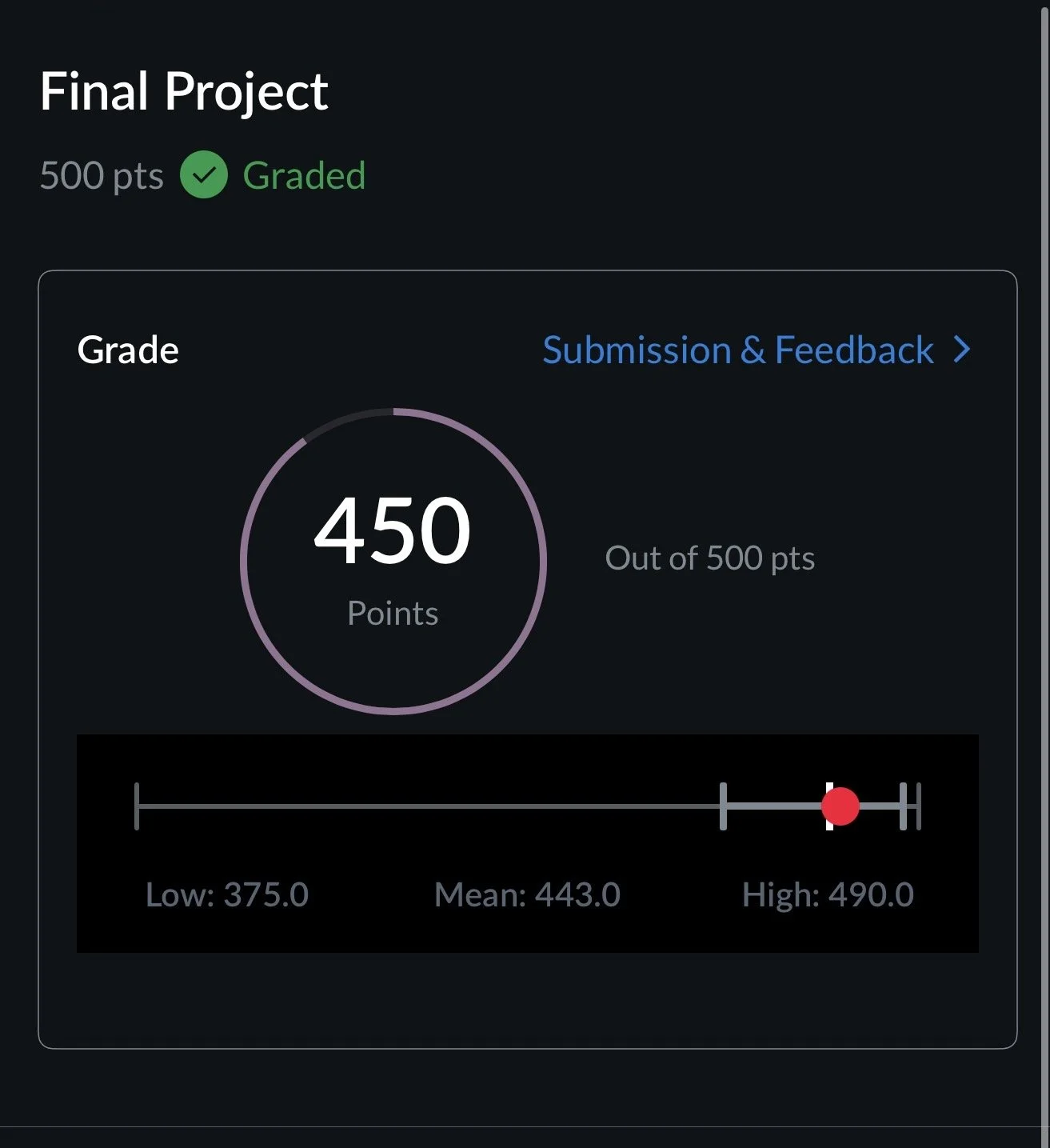
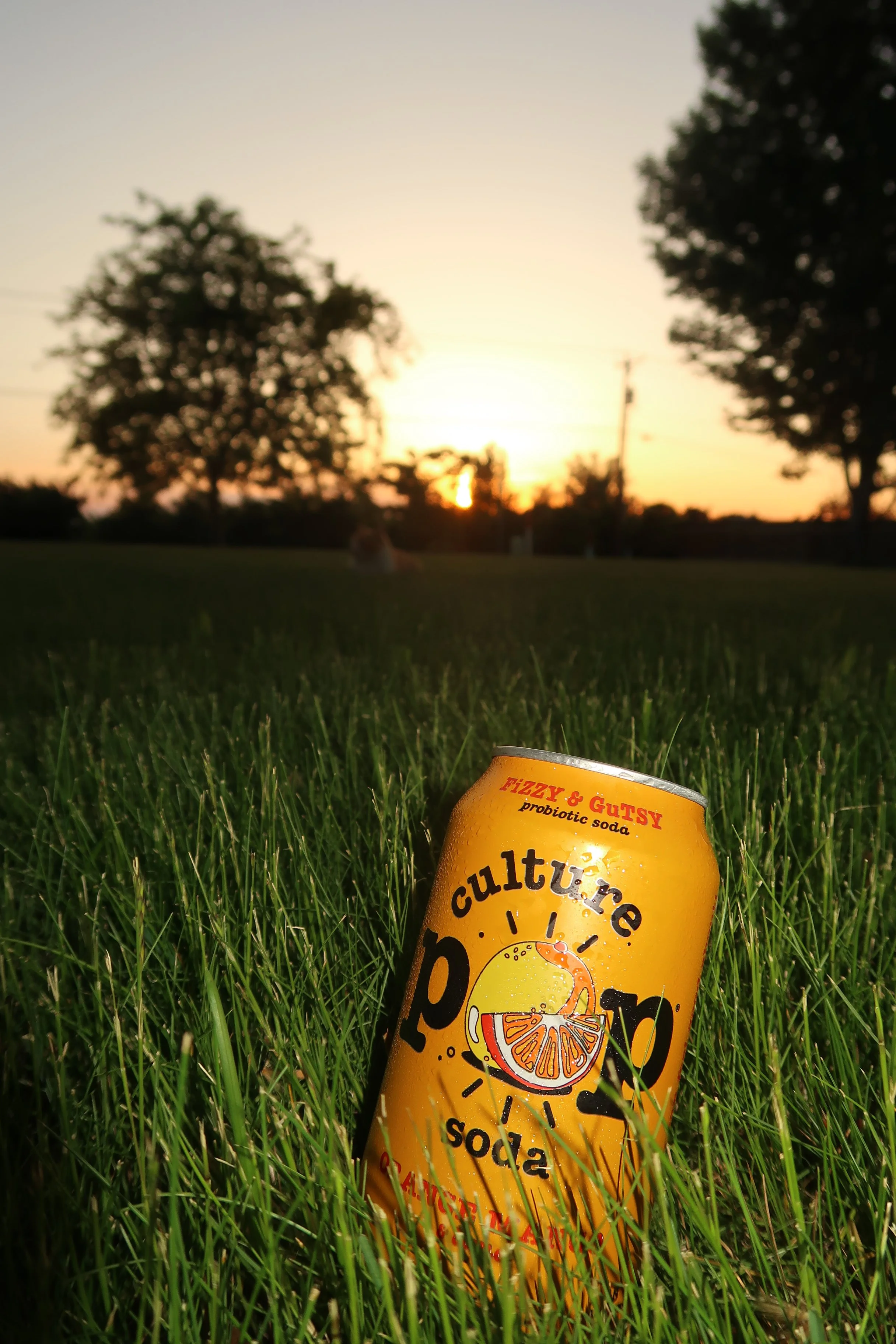
What this class is about: The course covered key areas including social media strategy, content creation, branding, photography, graphic design, video production, trend analysis, audience engagement, advertising, analytics, and campaign planning. By the end of the quarter, me and five other teammates designed and evaluated a full-scale social media campaign for the brand Culture Pop, while applying industry-standard design and communication practices. (This was a 500 point assignment and we scored a 450)
Skills Developed
Social Media Strategy & Planning
Learned how to build strategic social media plans by identifying target audiences, selecting appropriate platforms, creating content calendars, and aligning content with organizational goals.
How I Apply This Skill:
I can develop social media strategies that increase brand awareness, strengthen audience engagement, and support marketing objectives through intentional content planning.
Brand Development & Tone of Voice
Developed an understanding of how brands establish a consistent identity across social media platforms through visual design, messaging, and communication style.
How I Apply This Skill:
I can help organizations maintain a professional and recognizable brand presence by creating content that reflects their values and communicates consistently with their audience.
Content Creation & Visual Design
Created social media graphics while applying principles of design, typography, color theory, and visual hierarchy to produce engaging digital content.
How I Apply This Skill:
I can design visually compelling content that captures attention, improves user engagement, and strengthens overall brand presentation across social media channels.
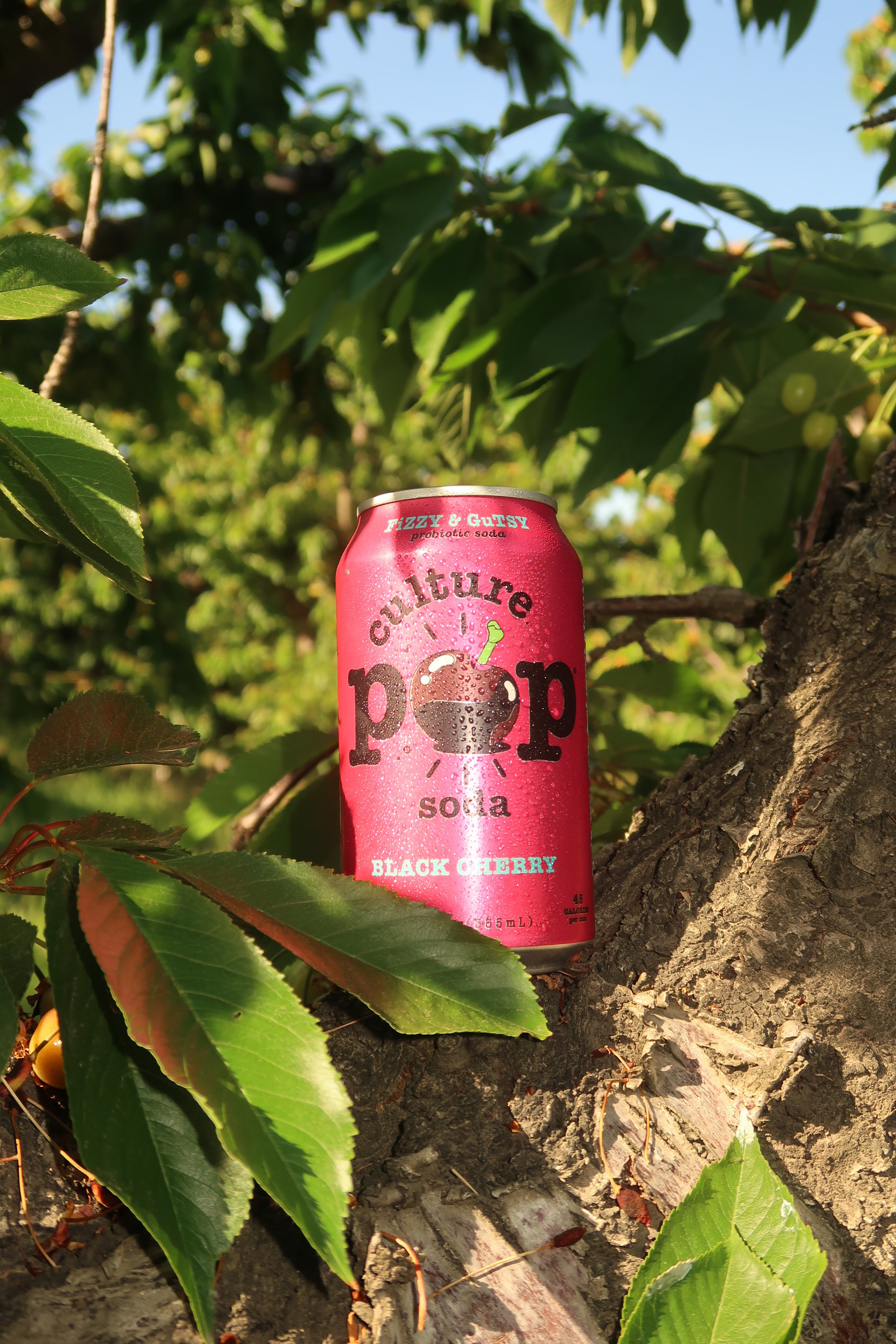
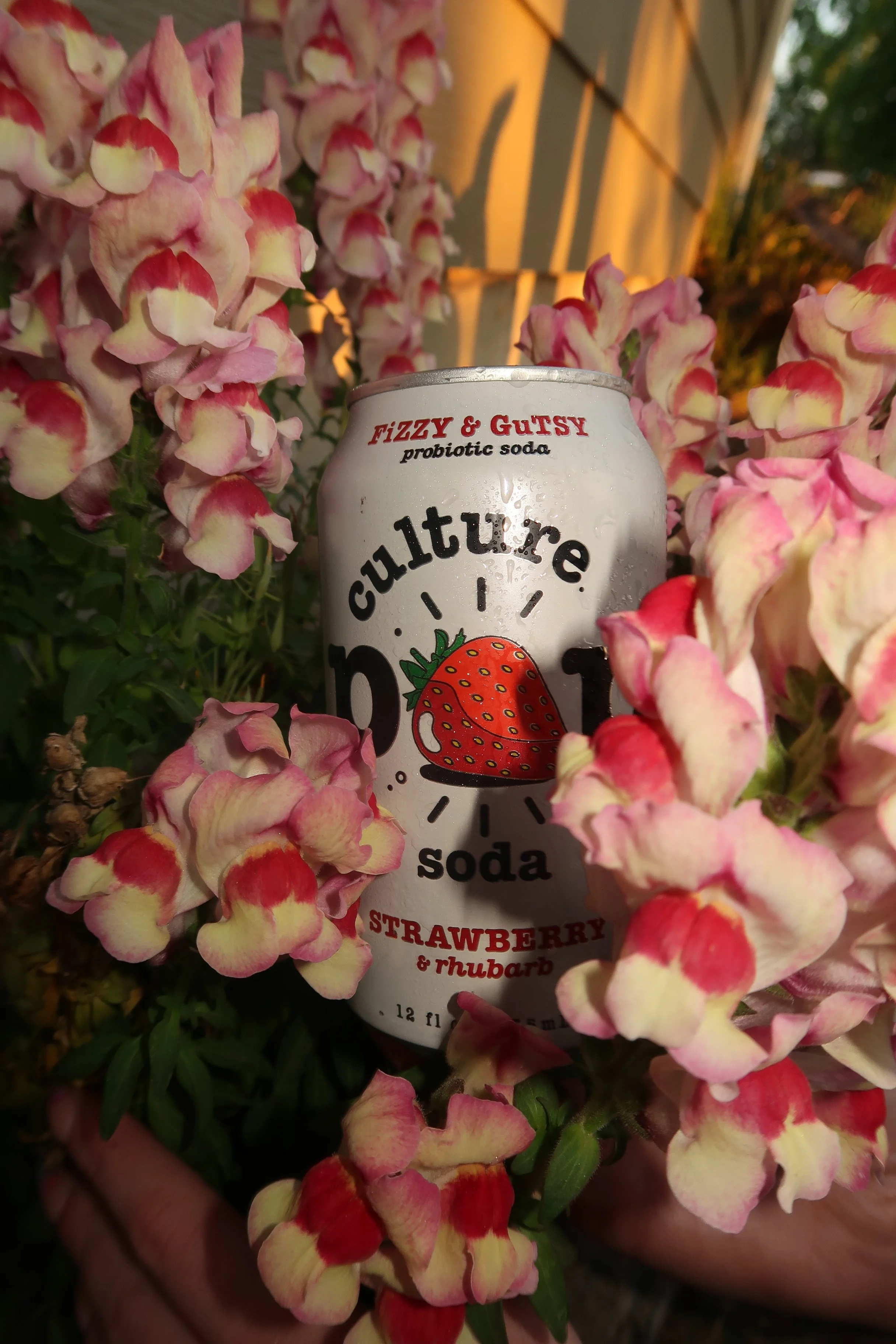
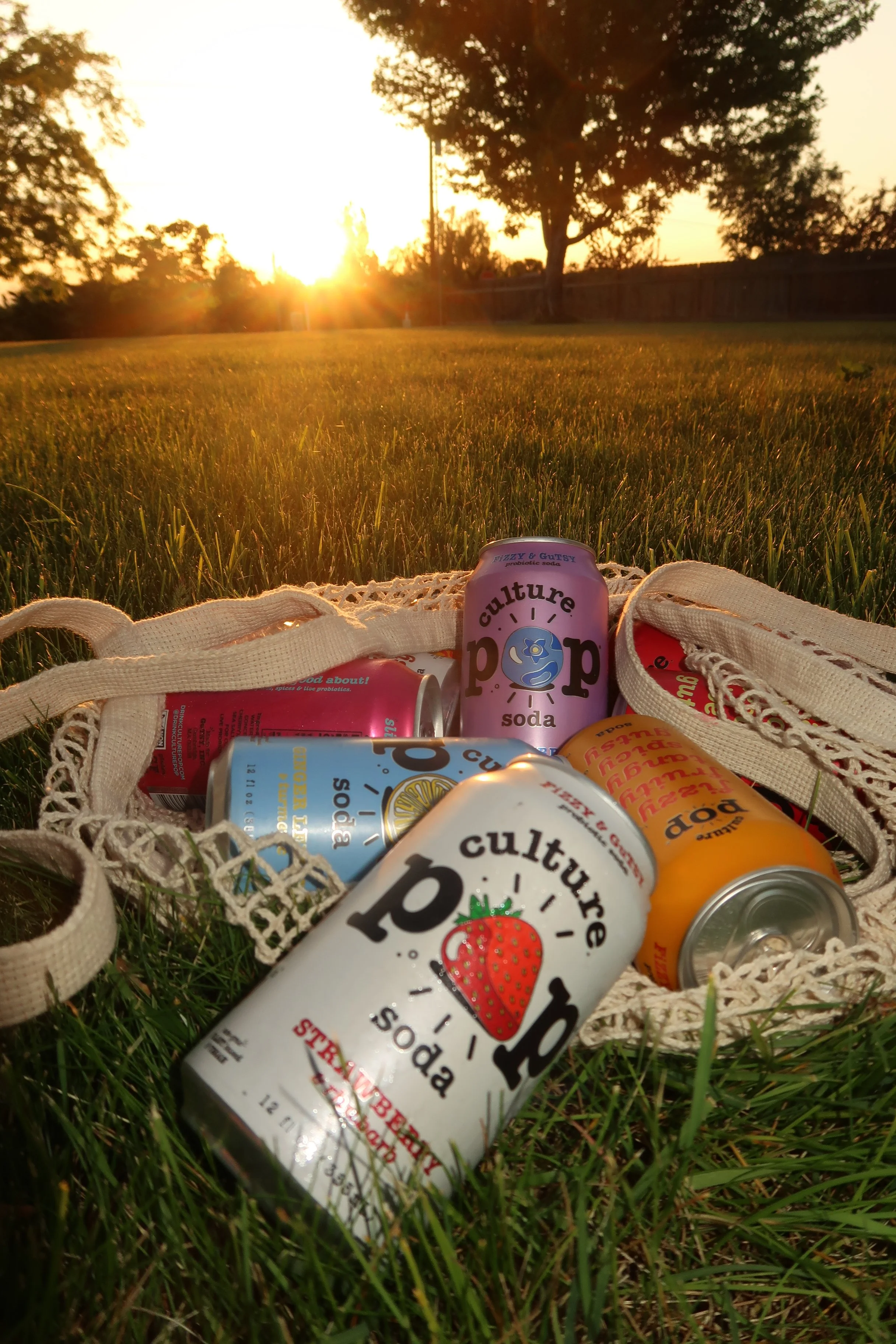

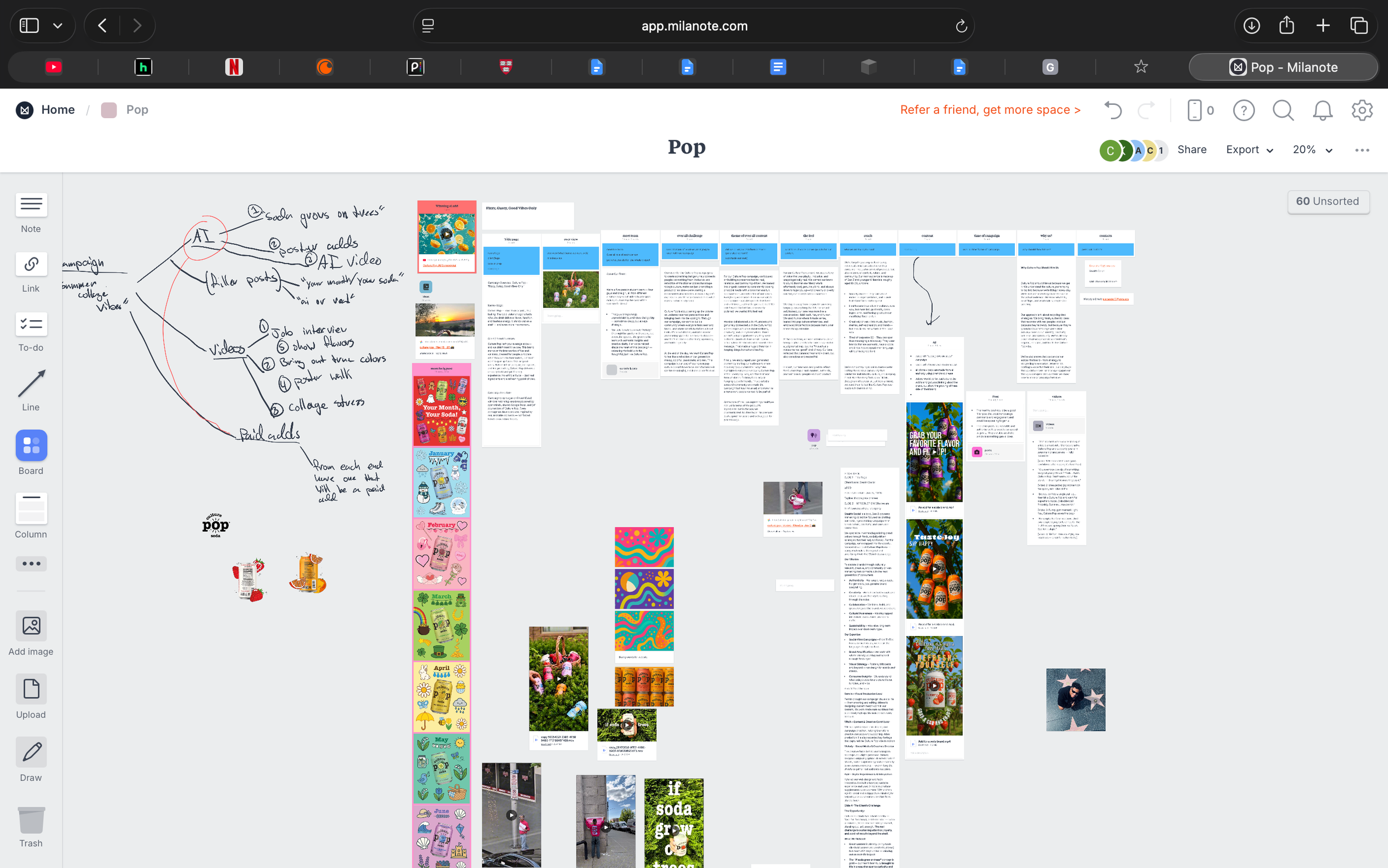
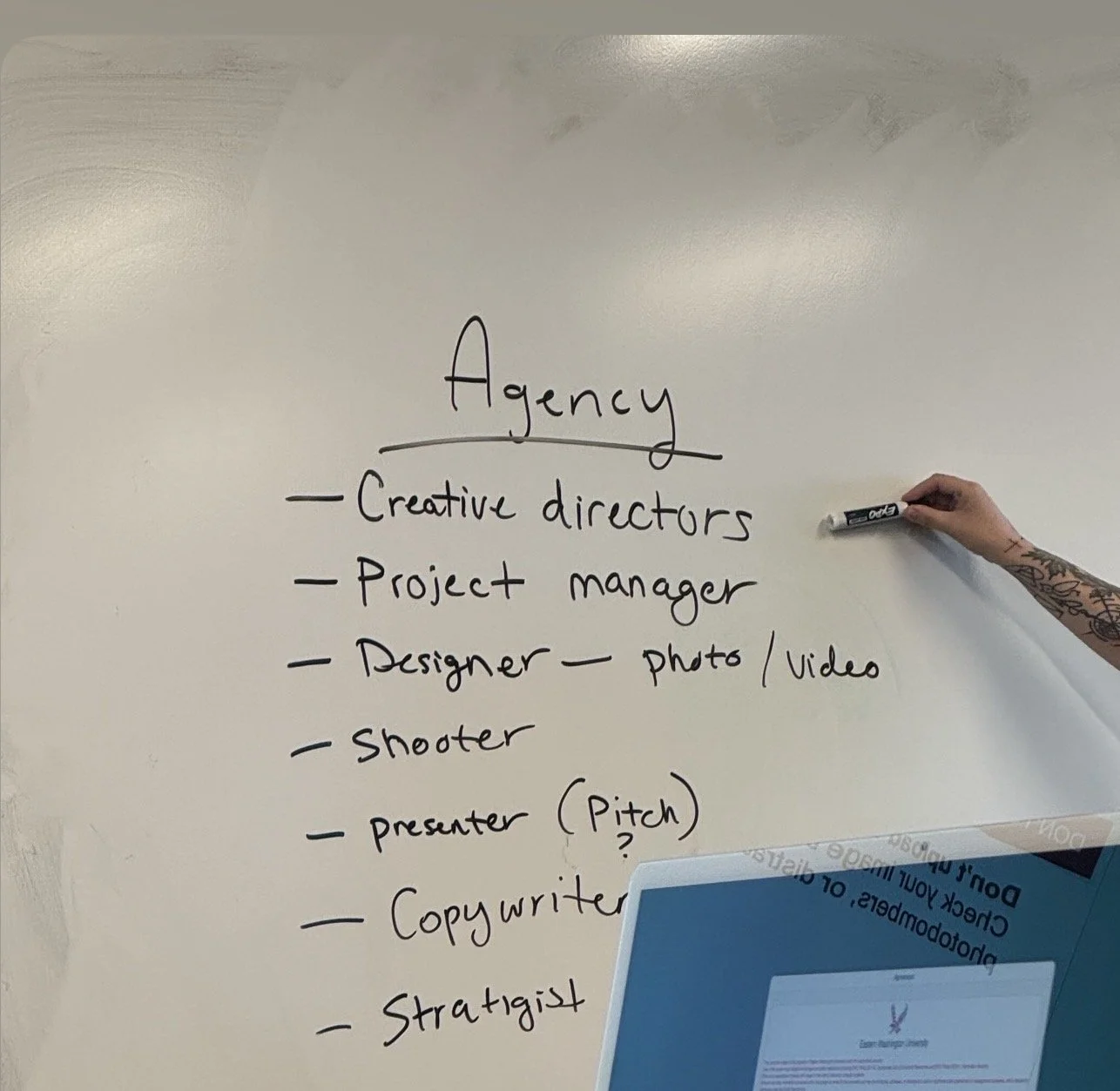
This is how our work board looked on a 5 man team.
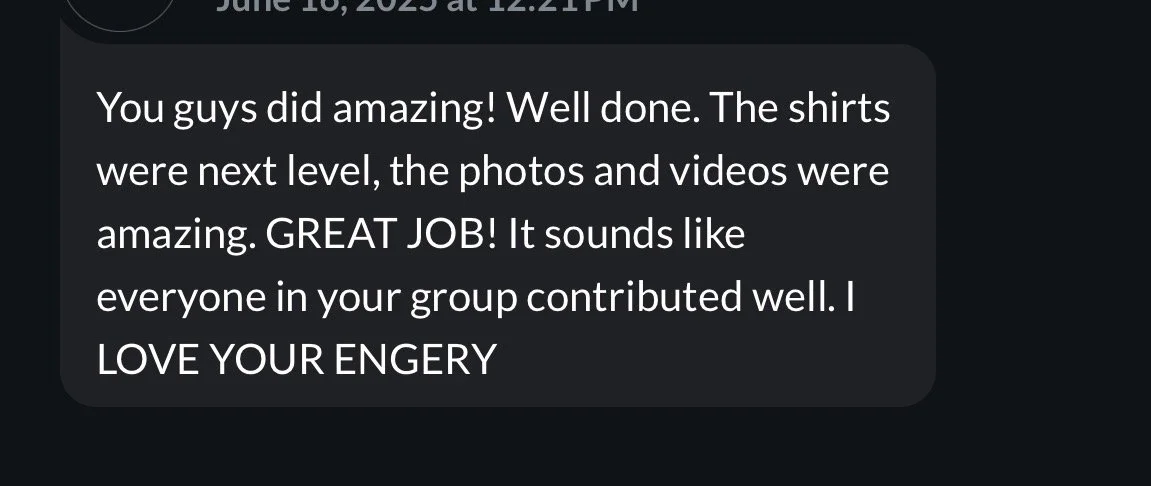
Project Manager Role:
As the Project Manager for a collaborative social media campaign project, I was responsible for coordinating team efforts, managing project timelines, and ensuring all deliverables were completed efficiently and on schedule. This role required strong leadership, communication, and organizational skills to keep the project moving forward while maintaining alignment with project objectives.

DESN 350-040: Digital Photography
This course provided a hands-on introduction to professional digital photography, focusing on the technical, creative, and organizational skills required in modern visual communication. Through practical assignments, critiques, and projects, I learned how to create compelling visual content using DSLR and mirrorless cameras while developing industry-standard workflows for editing, organizing, and presenting photography. The course emphasized three core areas: Composition, Digital Workflows, and Lighting. Students were expected to approach assignments as professional client projects, requiring attention to detail, creativity, effective communication, and adherence to deadlines. Through weekly projects and critiques, I gained experience creating visual content that communicates ideas, tells stories, and supports branding and marketing objectives.
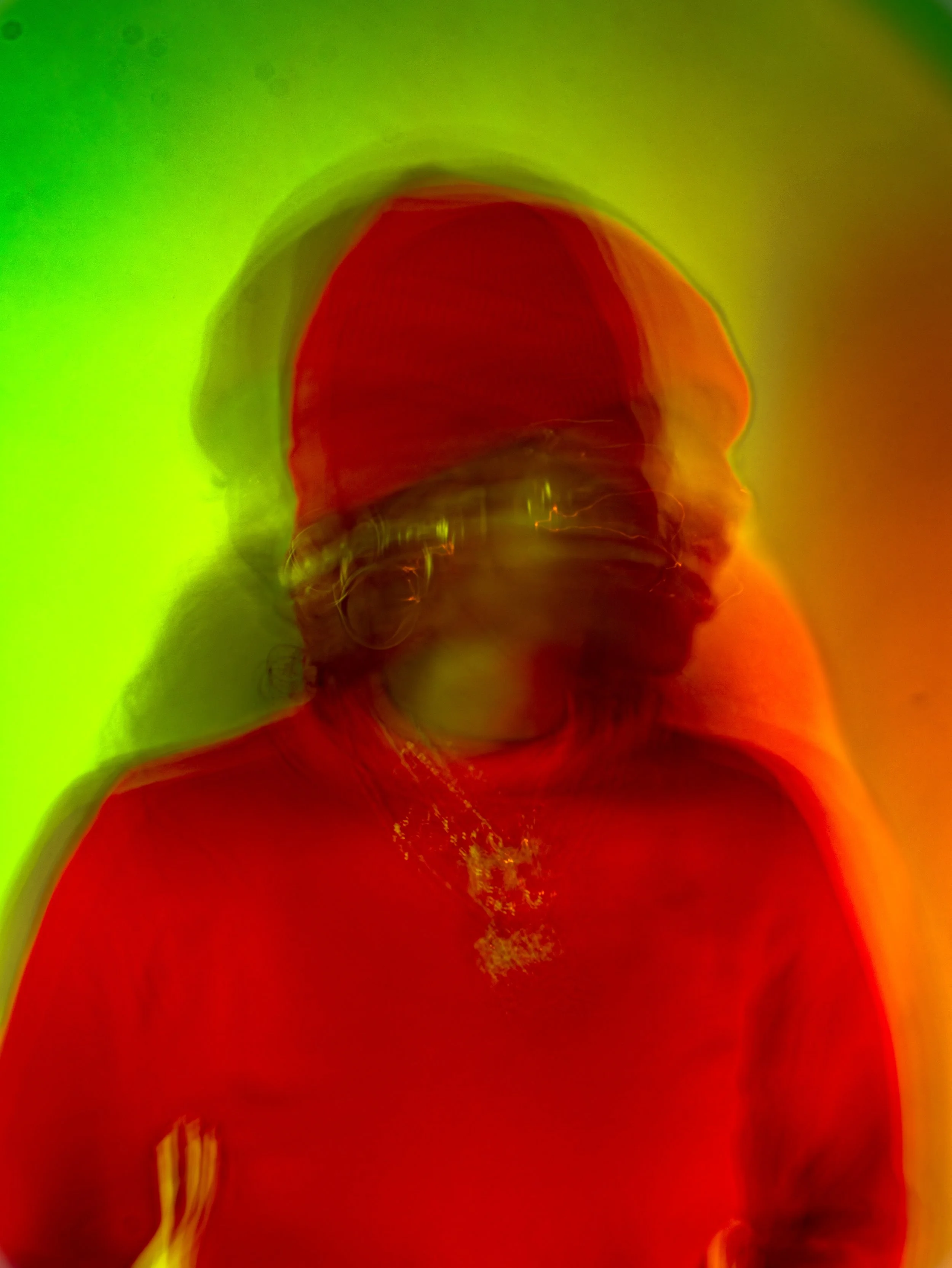
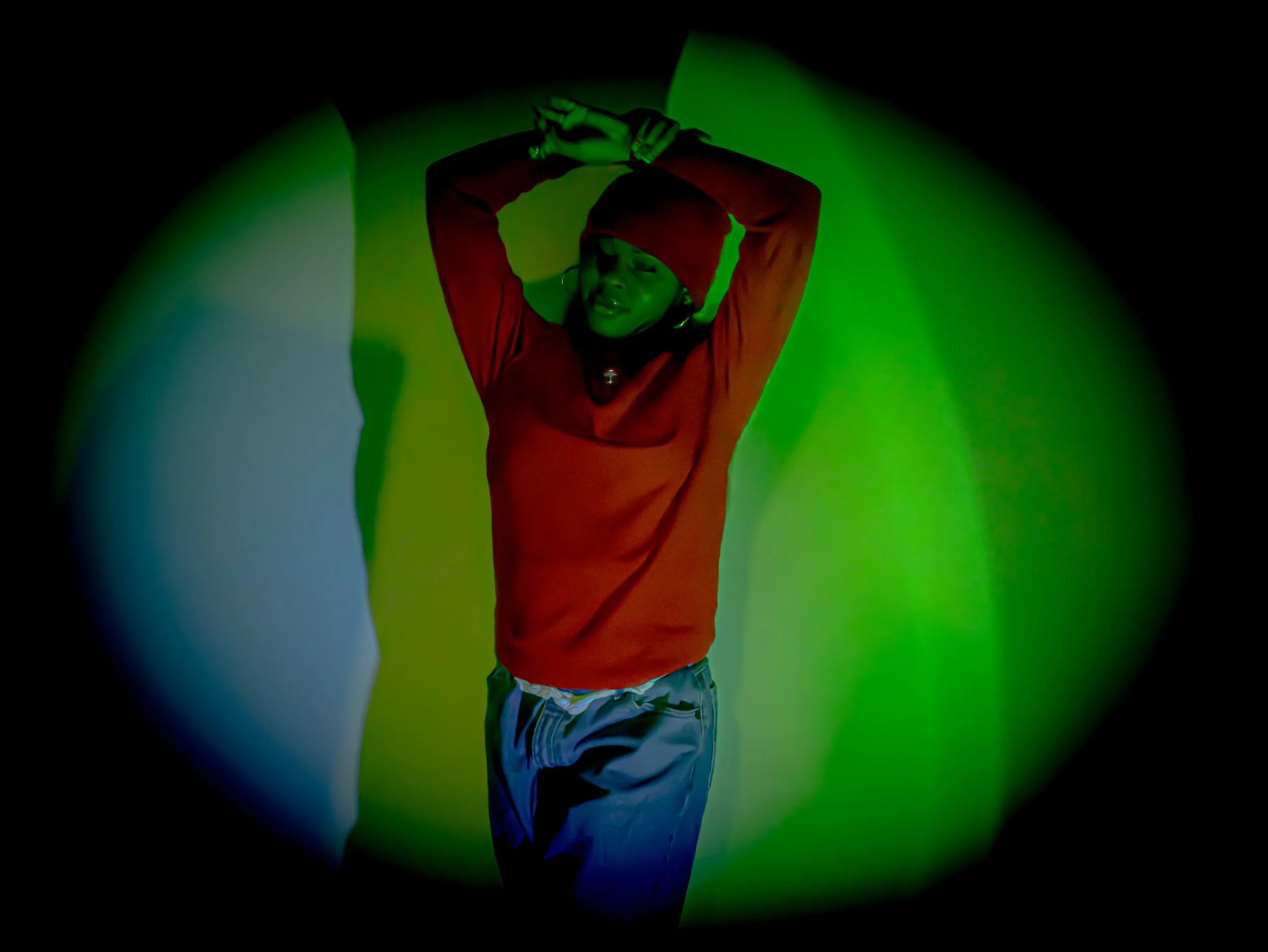
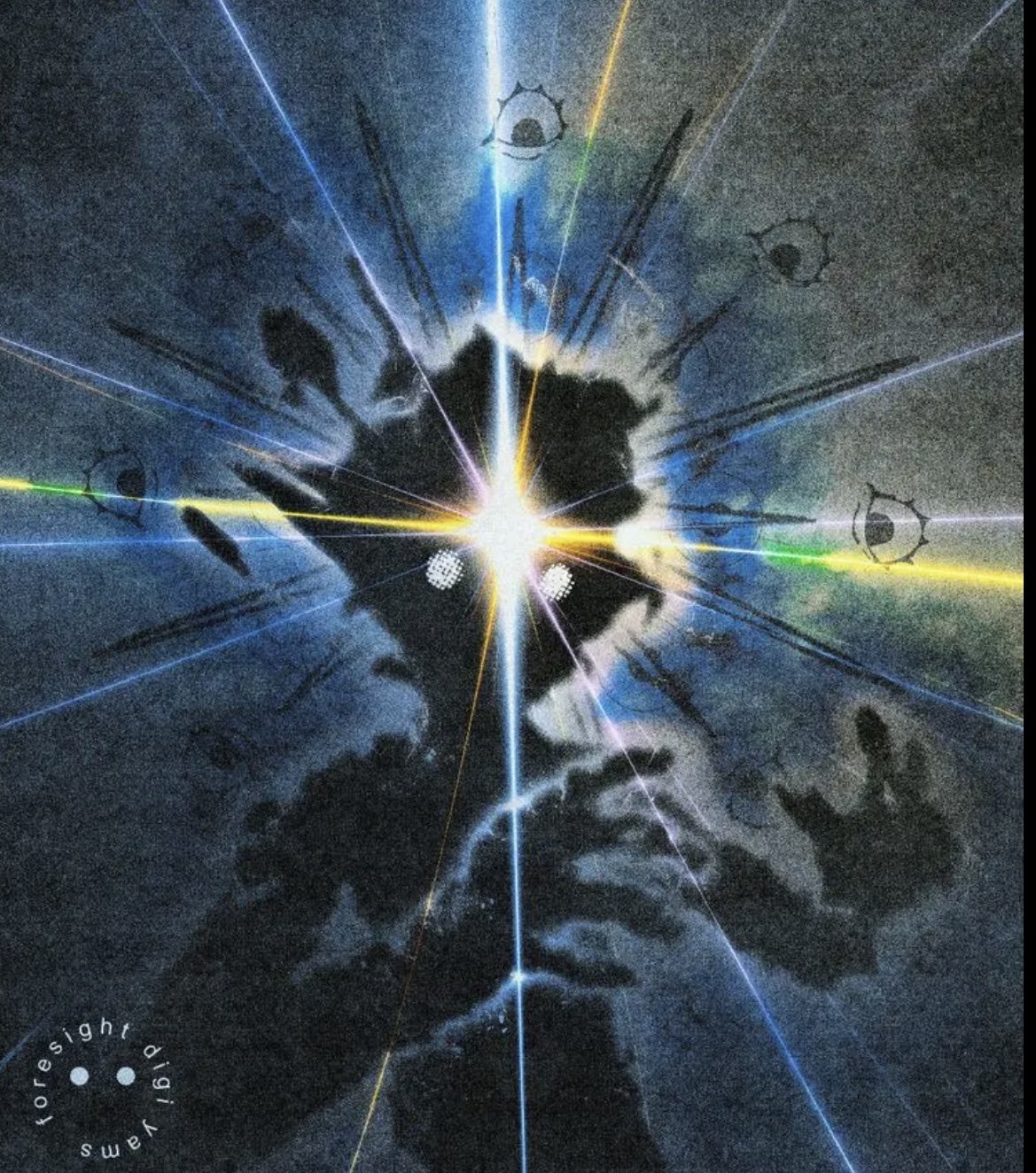
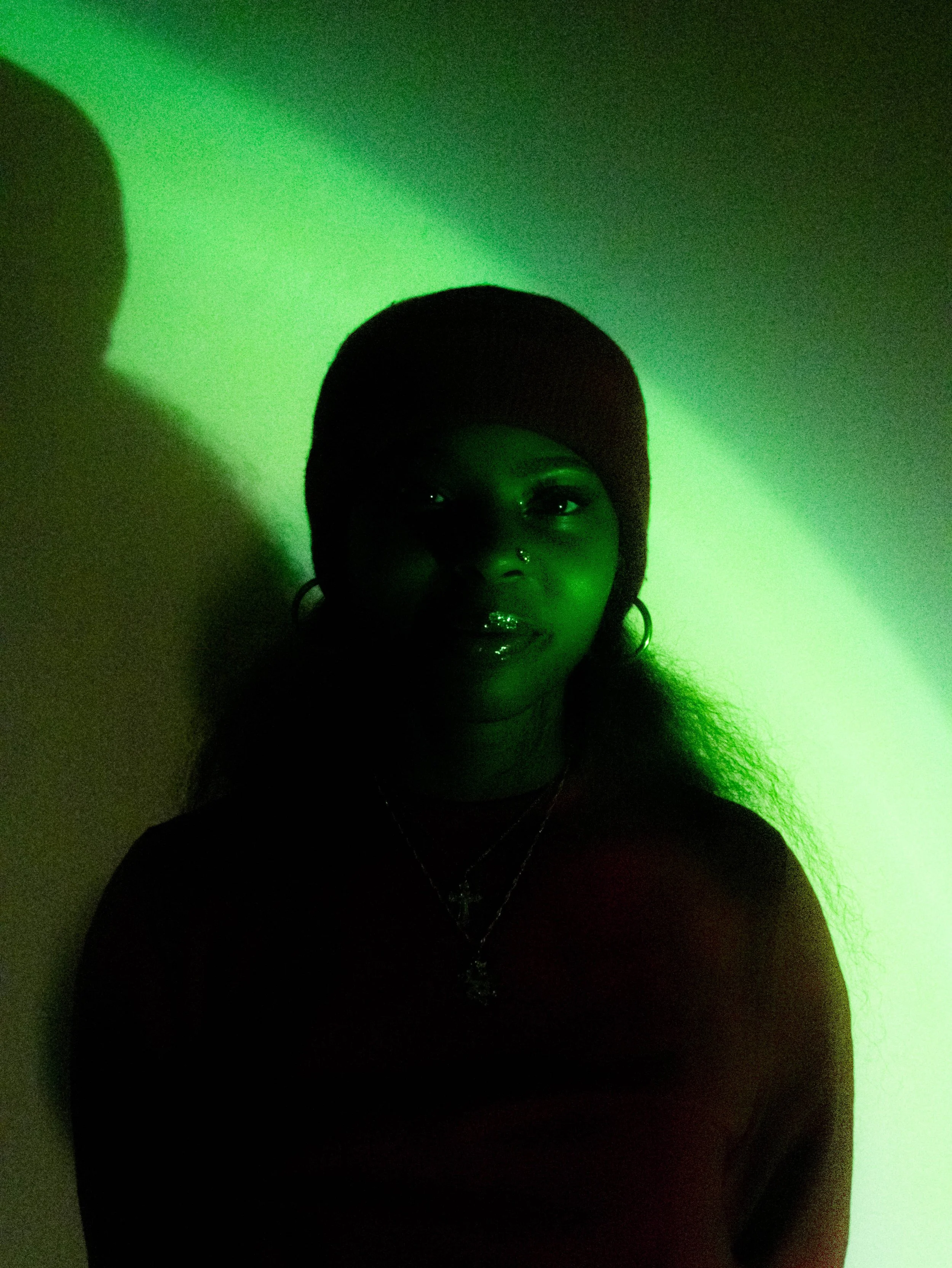
Emulating a Photographer’s Style: Travis Scott-Inspired Neon Photography
Project Overview
For this assignment, I was tasked with studying and recreating the visual style of a photographer, artist, or recognizable film aesthetic. The goal was to understand how photographers use lighting, composition, color grading, and post-production techniques to create a distinctive visual identity. Through research, planning, shooting, and editing, I learned how intentional creative decisions made both in-camera and during post-production contribute to a cohesive visual style.
For my inspiration, I chose the work of RAYS CORRUPTED MIND (RaysCorruptedMind), a photographer and creative director known for his work with artist Travis Scott. His photography is recognized for its dramatic use of neon green lighting, high contrast imagery, dark environments, cinematic compositions, and futuristic visual atmosphere. His work has become closely associated with Travis Scott’s visual brand and the dystopian, energetic aesthetic seen throughout concerts, promotional imagery, and album campaigns.
Research & Creative Direction
The Skills I learned while doing this assignment.
Before beginning the shoot, I analyzed multiple images created by RaysCorruptedMind to identify the key characteristics that define his style. Several visual elements consistently appeared throughout his work:
Strong neon green color grading
Dark, moody environments with dramatic contrast
High-energy compositions that create movement and intensity
Selective lighting that isolates the subject from the background
Cinematic framing and unconventional angles
Deep shadows combined with vibrant highlights
Futuristic and immersive visual storytelling
My goal was not simply to copy individual photographs but to recreate the overall atmosphere and emotional impact of his imagery.
Planning & Execution
to successfully emulate this style, I planned three separate photographs that incorporated the defining characteristics of RaysCorruptedMind’s work.
During the shoot, I focused on:
Using low-light environments to create strong contrast
Positioning subjects to emphasize dramatic shadows and highlights
Utilizing colored lighting and editing techniques to achieve the signature neon green aesthetic
Experimenting with camera angles that created depth and visual interest
Carefully controlling exposure settings to preserve detail while maintaining the dark cinematic mood
I paid close attention to composition and framing to ensure that each image communicated the same energy and atmosphere commonly found in Travis Scott’s visual campaigns.
Reflection:
This assignment helped me better understand how professional photographers establish a recognizable visual identity through consistent creative choices. By studying and recreating the work of RaysCorruptedMind, I gained practical experience in translating inspiration into original work while maintaining the technical precision required in professional photography. The project strengthened my ability to combine photography, editing, and creative storytelling to create visually compelling content that communicates a specific mood, atmosphere, and artistic vision.
Latest Project
Transit street photography,
DESN 263-040: Visual Communication
Course Overview
Visual Communication Design introduced the foundational theories, principles, and practices of graphic design and visual communication. The course focused on developing the ability to communicate ideas visually through effective use of layout, typography, color, imagery, and design thinking. Through a combination of lectures, critiques, research, experimentation, and project-based learning, I developed a strong understanding of the creative process used by professional designers.
Throughout the quarter, I explored how visual elements work together to communicate messages, solve design problems, and support client goals. Projects emphasized concept development, visual storytelling, composition, and design strategy while strengthening my proficiency in industry-standard software including Adobe Illustrator, Photoshop, and InDesign.
Skills Developed
Visual Communication & Design Thinking
Developed the ability to communicate ideas, concepts, and messages visually through intentional design decisions. Learned how to identify communication goals and create design solutions that effectively connect with intended audiences.
How I Apply This Skill:
I can create visual content that not only looks appealing but also communicates clear messages, strengthens branding efforts, and supports organizational objectives.
Chip Kidd Design Analysis & Reflection
Assignment Overview
For this assignment, I analyzed the work and design philosophy of renowned graphic designer and book cover designer Chip Kidd. The project required reading about his work and watching a presentation that explored his creative process, design decisions, and perspective on visual communication. Through written reflection and class discussion, I examined the relationship between a designer’s public persona, their creative work, and the role design plays in shaping audience perception.
The assignment encouraged critical thinking about authorship, visual communication, typography, and the purpose of design beyond aesthetics. By comparing my impressions of Chip Kidd through both written material and video presentation, I gained a deeper understanding of how designers communicate ideas and how their personalities influence the way audiences interpret their work.
Key Topics Explored
Designer as Performer vs. Designer as Author
One of the primary concepts explored was the distinction between Chip Kidd as a public speaker and personality (“Performer”) versus Chip Kidd as a professional designer (“Author”). By examining both perspectives, I learned how creative professionals communicate through both their work and their public presence.
Through this analysis, I recognized how designers often build personal brands while still allowing their work to speak for itself. The assignment challenged me to consider how audiences perceive creators differently when experiencing their work versus hearing them discuss it directly.





CMST 437-025 Sports & Leadership
Course Overview
Sports and Leadership (CMST 437) explored the relationship between leadership, communication, team development, personal branding, and professional success within sports organizations and beyond. While the course was centered around sports, the leadership principles and communication strategies learned throughout the quarter apply to virtually every professional environment.
A major focus of the course was learning how experiences gained through sports, teamwork, and extracurricular activities can be translated into valuable professional skills that employers seek in the workplace. The course also emphasized personal branding, LinkedIn development, networking, communication, and career preparation.
Skills Developed
Leadership Development
Studied multiple leadership theories, including:
Transformational Leadership
Servant Leadership
Transactional Leadership
Relational Leadership
Learned how different leadership styles influence team performance, organizational culture, and individual growth.
How I Apply This Skill:
I can adapt my leadership approach based on team needs, motivate others toward common goals, and foster positive working relationships that contribute to team success.
Team Building & Collaboration
Explored strategies for creating effective teams, improving group dynamics, and helping individuals perform at their highest level.
How I Apply This Skill:
I can contribute effectively in team environments by promoting collaboration, communication, accountability, and shared success.